

Somatic Therapy in Palm Beach Gardens, FL · Virtual Florida & Connecticut
Healing That Starts in the Body
Somatic therapy
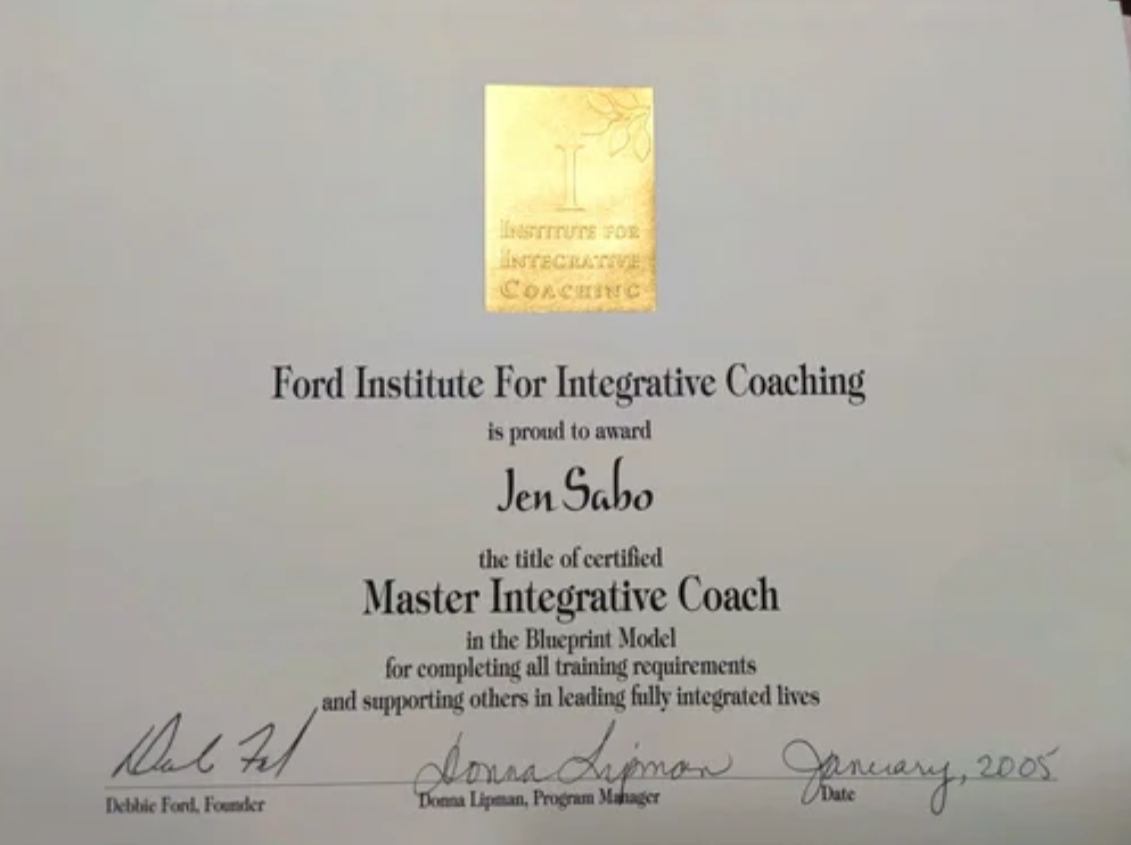





If you've ever noticed that your anxiety lives in your chest before it surfaces as a thought, or that certain memories seem to lock in your shoulders and jaw rather than in your mind, you've already encountered what somatic therapy works with. The nervous system, not just cognition, is the site where stress, trauma, and emotional pain take root. As a licensed therapist and Somatic Experiencing Practitioner, I work with adults in Palm Beach Gardens, virtually across Florida, and virtually in Connecticut using somatic approaches to help the nervous system find its way back to safety.
Hi! I'm Jennifer Goggin, LPC, LMHC, SEP. You can call me Jen. I'm a licensed psychotherapist and Somatic Experiencing Practitioner in Palm Beach Gardens, Florida. I help adults who've done the personal work but still feel stuck in their bodies find real, lasting healing. In-person in Palm Beach Gardens and telehealth throughout Florida and Connecticut.
What Somatic Therapy Addresses
Here's what I work with, and where somatic approaches tend to be especially effective.
Trauma and PTSD
Healing from trauma isn't about getting over it. It's about helping your nervous system find safety again. Whether it's childhood experiences, relational wounds, or chronic stress, we work with where trauma actually lives: in the body. The freeze, the hypervigilance, the alarm that persists long after the danger has passed.
Depression
It's more than sadness. It's the heaviness that makes everything feel like effort, the fog that dulls your motivation, the quiet withdrawal from the life you used to enjoy. In our sessions, I work gently with depression to help your system come back online, rather than pushing through it from the top down.
Anxiety and Chronic Stress
Anxiety doesn't just live in your thoughts. It lives in your body. You may understand your patterns perfectly and still not be able to stop the racing thoughts, the tight chest, the dread that arrives without warning. In our sessions, I work with anxiety at the nervous-system level, helping you build the capacity to return to a regulated baseline.
Burnout
When the system has been running on activation for months or years without adequate recovery, the body eventually enforces rest. Burnout is frequently a nervous system story. I focus on recognizing nervous system states, building genuine rest capacity, and restoring a sense of aliveness that doesn't require overdrive to feel okay.

The Approach
What Is Somatic Therapy?
The word "somatic" comes from the Greek soma, meaning body. Somatic therapy is a broad term for therapeutic approaches that engage the body's felt sense, including physical sensations, breath, posture, movement, and autonomic nervous system responses, as real data about a person's emotional and psychological state. The body is a primary participant in both the storage of distress and the process of healing.
This distinction matters clinically. Research on trauma and the nervous system, including the foundational work of Dr. Peter Levine, who developed Somatic Experiencing, has shown that unresolved trauma is often held in the body as physical patterns: bracing, collapse, numbness, chronic activation. Talk therapy alone may not reach these patterns because they exist below the level of conscious narrative. That's the work I do: approaching these patterns directly at the body level.
Somatic Experiencing: My Specific Framework
My primary training is in Somatic Experiencing (SE), developed by Dr. Peter Levine and taught through Somatic Experiencing International. I've held the SEP (Somatic Experiencing Practitioner) credential since 2007. The SEP designation represents completion of a multi-year, supervised training program. No retelling required.
I use SE to work with the nervous system's own capacity to heal, gently resolving the survival responses that get stuck after trauma and stress. In sessions, we approach activation in small, manageable increments rather than flooding the system.
The Practice
What Somatic Therapy Sessions Look Like
From the outside, somatic therapy sessions look a lot like talk therapy. Two people in a room, speaking together. The difference is in what we're paying attention to.
Rather than focusing exclusively on narrative and thought, our sessions include:
Tracking body sensations: We pay attention to what is happening physically in the moment, temperature, tightness, breath, movement, as a window into nervous system state.
Titration: We work in small, manageable steps rather than diving into the most activated material. The goal is to keep the nervous system within its window of tolerance: present and engaged, not overwhelmed.
Pendulation: We move attention between activated sensations and areas of neutrality or resource, so the nervous system can practice flexibility rather than locking into either high arousal or shutdown.
Completing responses: We notice impulses toward movement, protection, or action that were suppressed at the time of a threatening experience, and support their gentle completion in the present.
Sessions are always paced to your nervous system. You won't be asked to go there before you're ready. The pacing itself is part of the work.

Is Somatic Therapy Right For You?
Sound familiar? Somatic therapy tends to be a good fit when any of these ring true.
You've tried talk therapy and found that understanding your patterns hasn't changed how you feel or how your body responds.
Stress, anxiety, or trauma symptoms show up physically: tension, shallow breathing, dissociation, gut responses, fatigue.
You want to work with a licensed clinician who has formal, supervised training in body-oriented methods, not just general mindfulness-informed work.
You're ready to approach healing at a slower, more regulated pace than approaches that emphasize direct trauma processing.
You've done a lot of personal work and something deeper still feels unresolved. Here's the thing: that's often a sign the body needs to catch up to what the mind already knows.
If you're not sure, a free 15-minute consultation is the best place to start.


Beginning Somatic Therapy in Florida
I offer a free 15-minute consultation so you can share what you're looking for and see if my approach resonates. Sessions are 50 minutes, always paced to your nervous system. I also offer secure telehealth throughout Florida and Connecticut.
If you're in Palm Beach Gardens or the surrounding area and looking for in-person somatic therapy, or if you're anywhere in Florida or Connecticut and looking for virtual sessions, I'd love to hear from you.

Get Started
Ready to Try a Different Approach?
If you've been in therapy and something still isn't shifting, somatic work may be what your nervous system has been waiting for. I offer a free 15-minute consultation. No pressure, no commitment.
COMMON QUESTIONS
Frequently Asked Questions About Somatic Therapy
-
Somatic therapy is a broad category that includes many body-centered therapeutic approaches, including Somatic Experiencing, Sensorimotor Psychotherapy, EMDR, Hakomi, and others. Somatic Experiencing (SE) is a specific, structured method developed by Dr. Peter Levine and taught through Somatic Experiencing International. My training is in SE specifically, which means sessions follow SE principles and methodology. The SEP (Somatic Experiencing Practitioner) credential requires completion of a multi-year supervised training program.
-
In my experience, the timeline varies significantly depending on what we're working with. Some clients notice shifts in nervous system regulation within a few sessions; deeper trauma work typically unfolds over months. Somatic work tends to produce durable change because it works at the level where distress is actually stored, in the nervous system, rather than only building cognitive understanding.
-
Somatic Experiencing as I practice it is non-touch. I do this work through verbal inquiry and focused attention, not physical contact. That's also what makes somatic therapy fully accessible via virtual sessions.
-
Somatic Experiencing has been studied in peer-reviewed research, including randomized controlled trials in populations with PTSD. Body-oriented and somatic approaches are increasingly recognized in the clinical literature as effective for trauma, anxiety, and stress-related conditions.
-
Coverage depends on your specific plan. As a licensed therapist (LPC, LMHC), sessions may be billable under mental health benefits. Reach out directly to ask about fees and reimbursement options.
-
The first session is a chance for us to get to know each other. You won't be asked to dive into traumatic material or work with somatic exercises right away. We'll talk about your history, your goals, and what you've tried before. The somatic framework becomes more active as the therapeutic relationship develops and your nervous system builds trust in the process.
-
Yes. I offer virtual somatic therapy across Florida and in Connecticut. I conduct sessions via a secure, HIPAA-compliant video platform. Body awareness, sensation tracking, and titrated nervous system inquiry are fully accessible remotely. Many clients find that working from their own home feels safer and more supportive for this kind of work.
-
Mindfulness builds the general capacity to observe present-moment experience without judgment. I use that capacity as a foundation and add clinical direction: tracking nervous system states, working with trauma-related patterns, and supporting completion of biological responses that were interrupted. Mindfulness is a useful foundation; the work I do builds on it while addressing specific physiological and psychological patterns.
-
Look for a therapist who holds an active mental health license (LCSW, LPC, LMHC, or equivalent) in your state and has completed formal, supervised training in a specific somatic modality. The SEP (Somatic Experiencing Practitioner) designation from Somatic Experiencing International requires multi-year training and supervised client hours. General wellness or yoga training is not the same as a clinical license combined with a formal somatic credential.
Jennifer Goggin, LPC, LMHC, SEP, is a licensed psychotherapist and Somatic Experiencing Practitioner in Palm Beach Gardens, Florida with over 20 years of clinical experience in somatic therapy for trauma, anxiety, depression, and burnout. She has held the SEP credential since 2007, completing the multi-year supervised training program through Somatic Experiencing International and studying directly within the lineage of Dr. Peter Levine's foundational work. Her approach treats the body as a primary participant in healing, working below the level of narrative to resolve the survival responses and physical patterns that talk therapy alone often cannot reach. Jennifer sees clients in person in Palm Beach Gardens and offers secure telehealth throughout Florida and Connecticut.